Wayne Dalton TorqueMaster Swapped for a Standard Torsion Spring System
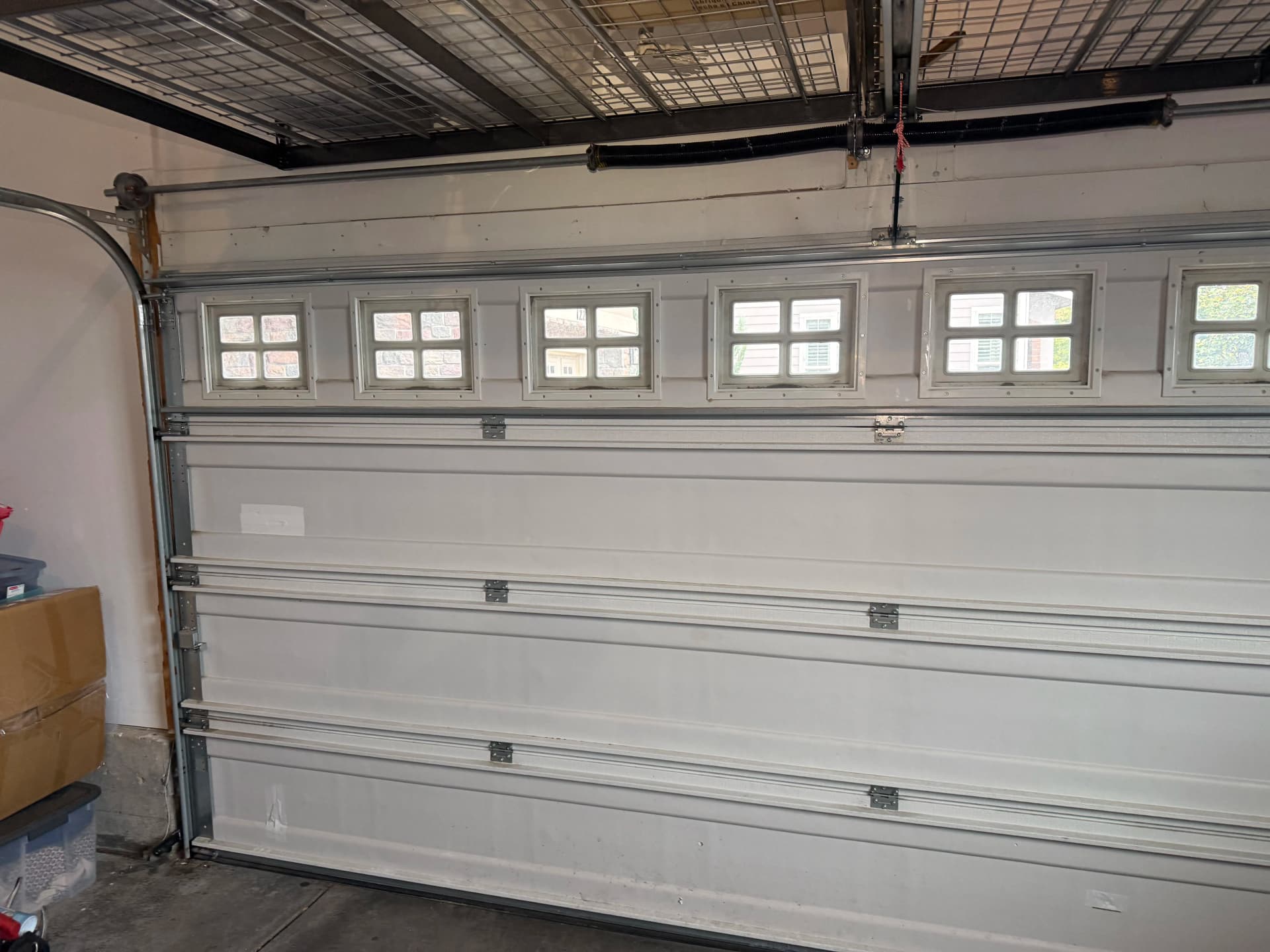
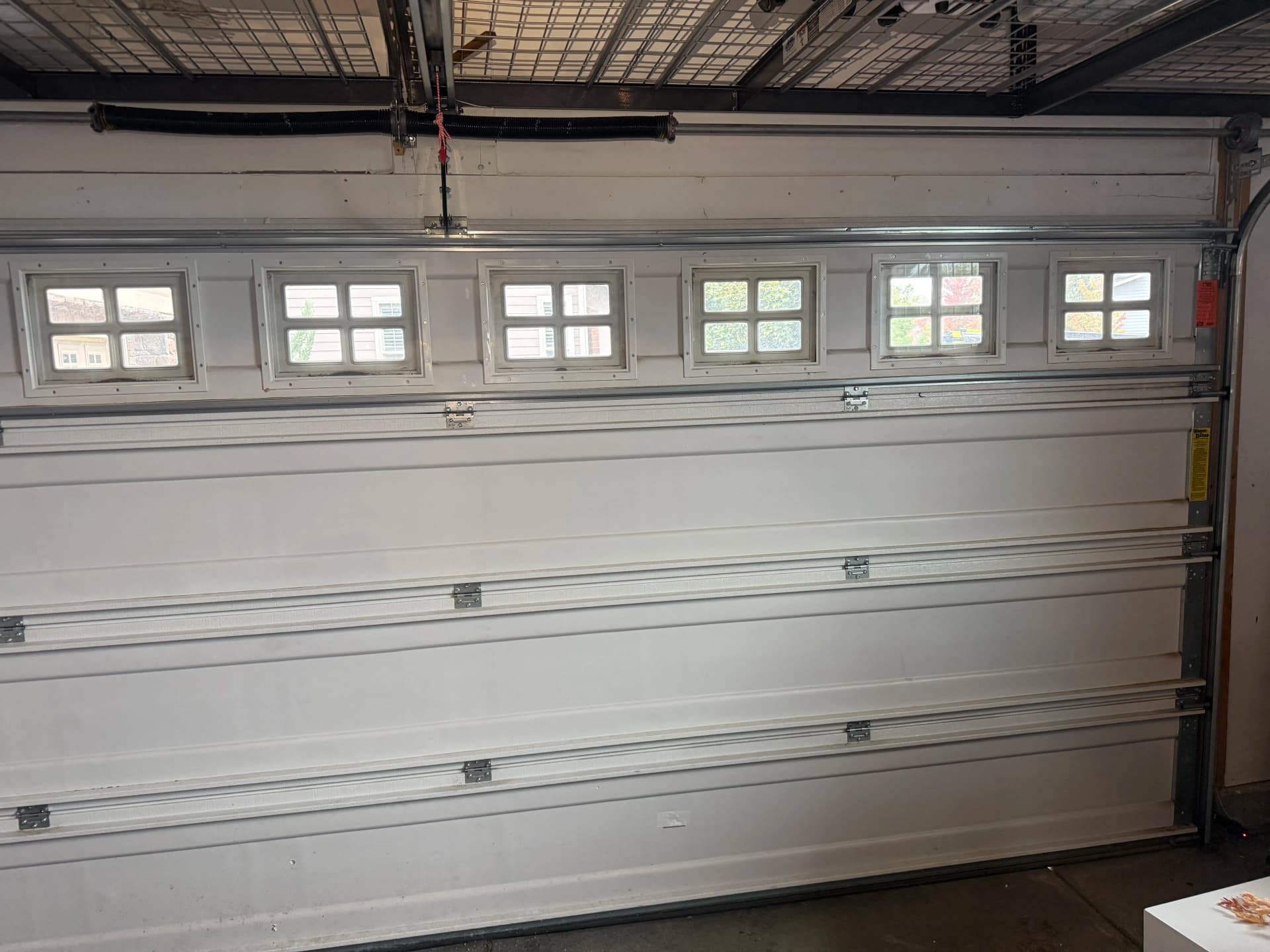
The Wayne Dalton TorqueMaster system is one of those setups that works fine - until it doesn't. The springs are hidden inside a tube, which sounds like a convenience, but it actually makes it nearly impossible to tell when they're wearing out. By the time you notice something's wrong, you're already dealing with a door that won't open. That's exactly the kind of situation this homeowner was looking at.
We pulled out the TorqueMaster assembly and installed a standard torsion spring setup in its place. It's a cleaner, more serviceable system. With a traditional torsion bar, you can actually see the springs - so wear is obvious, adjustments are straightforward, and any future repairs don't require special proprietary tools or guesswork.
For the springs themselves, we went with 30,000-cycle springs. To put that in perspective, most households cycle their garage door somewhere between 3 and 5 times a day. At that rate, 30,000 cycles gives this homeowner well over a decade of reliable use before spring wear becomes a real concern. That's not a small thing.
The door runs smooth and quiet now. No jerking, no straining, no mystery noises. That's what a properly tensioned torsion system does - it balances the door correctly so the opener isn't working harder than it needs to. If your door sounds like it's struggling or feels uneven when it moves, that's usually a spring issue worth getting looked at sooner rather than later.
The TorqueMaster-to-torsion conversion is one of those repairs that pays off well beyond the immediate fix. You get a system that's easier to maintain, more transparent about its condition, and built with parts that are widely available. It's a genuine upgrade, not just a band-aid.