Hidden Broken Spring Fixed with Torsion Spring Upgrade
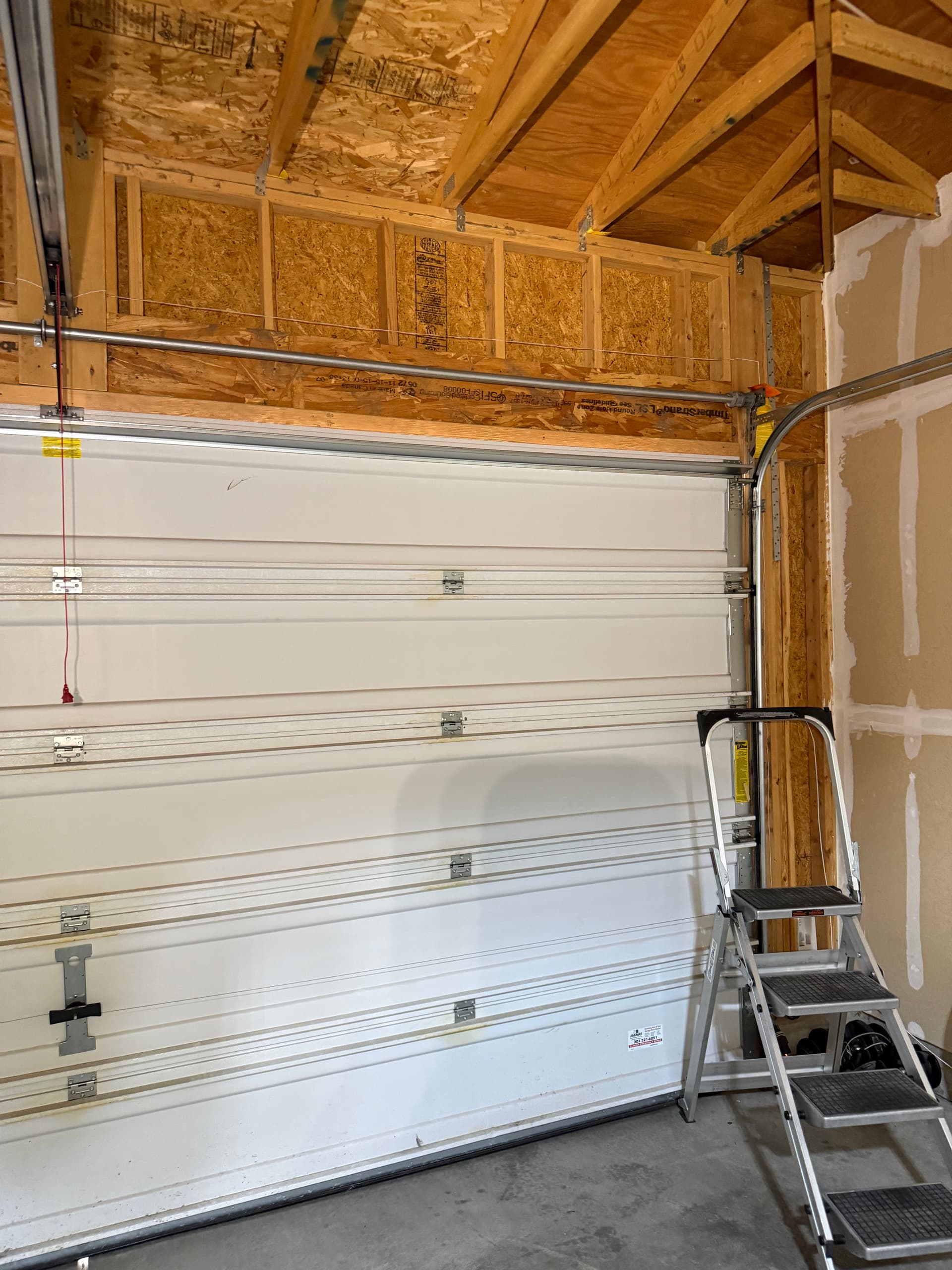
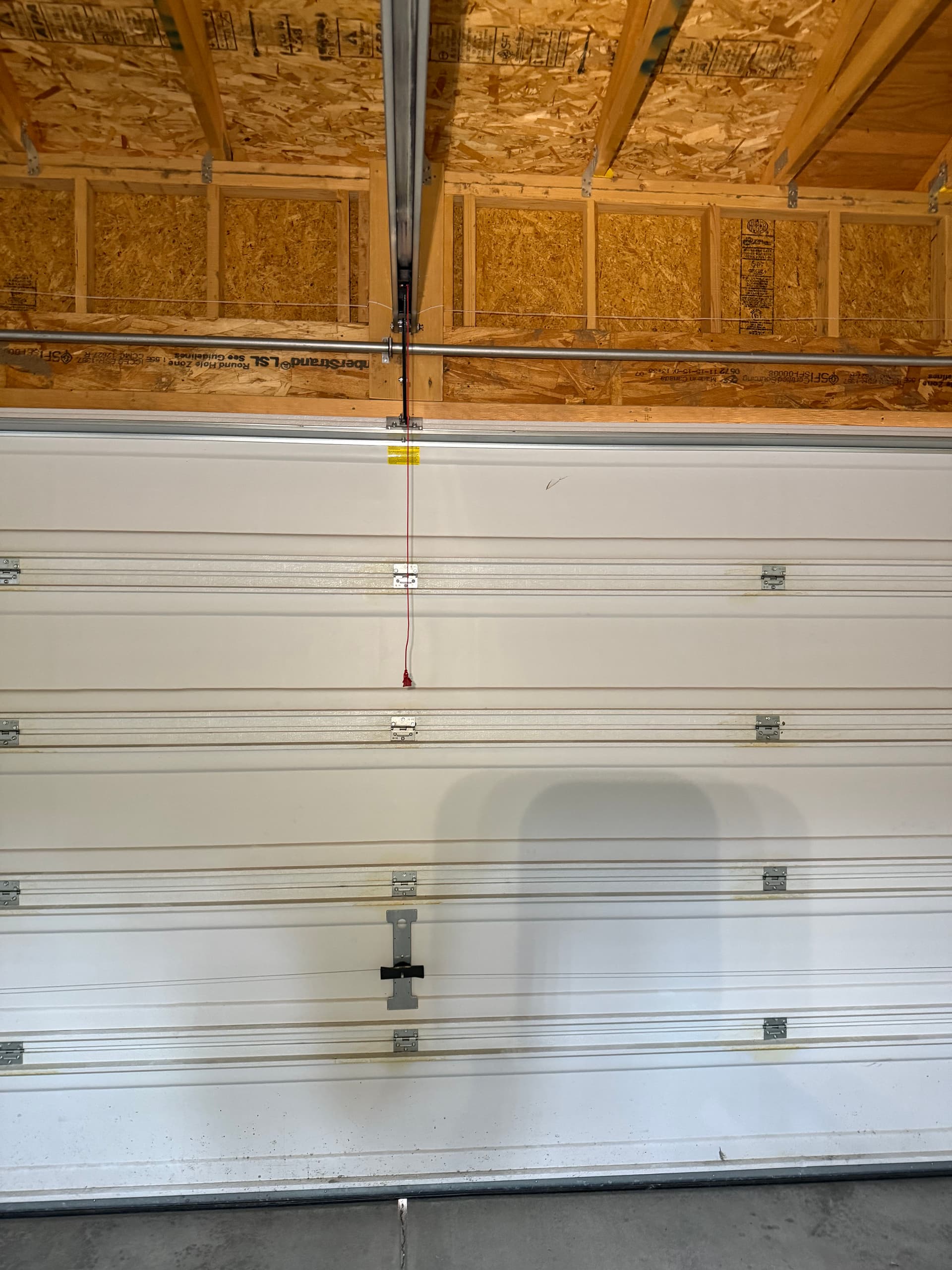
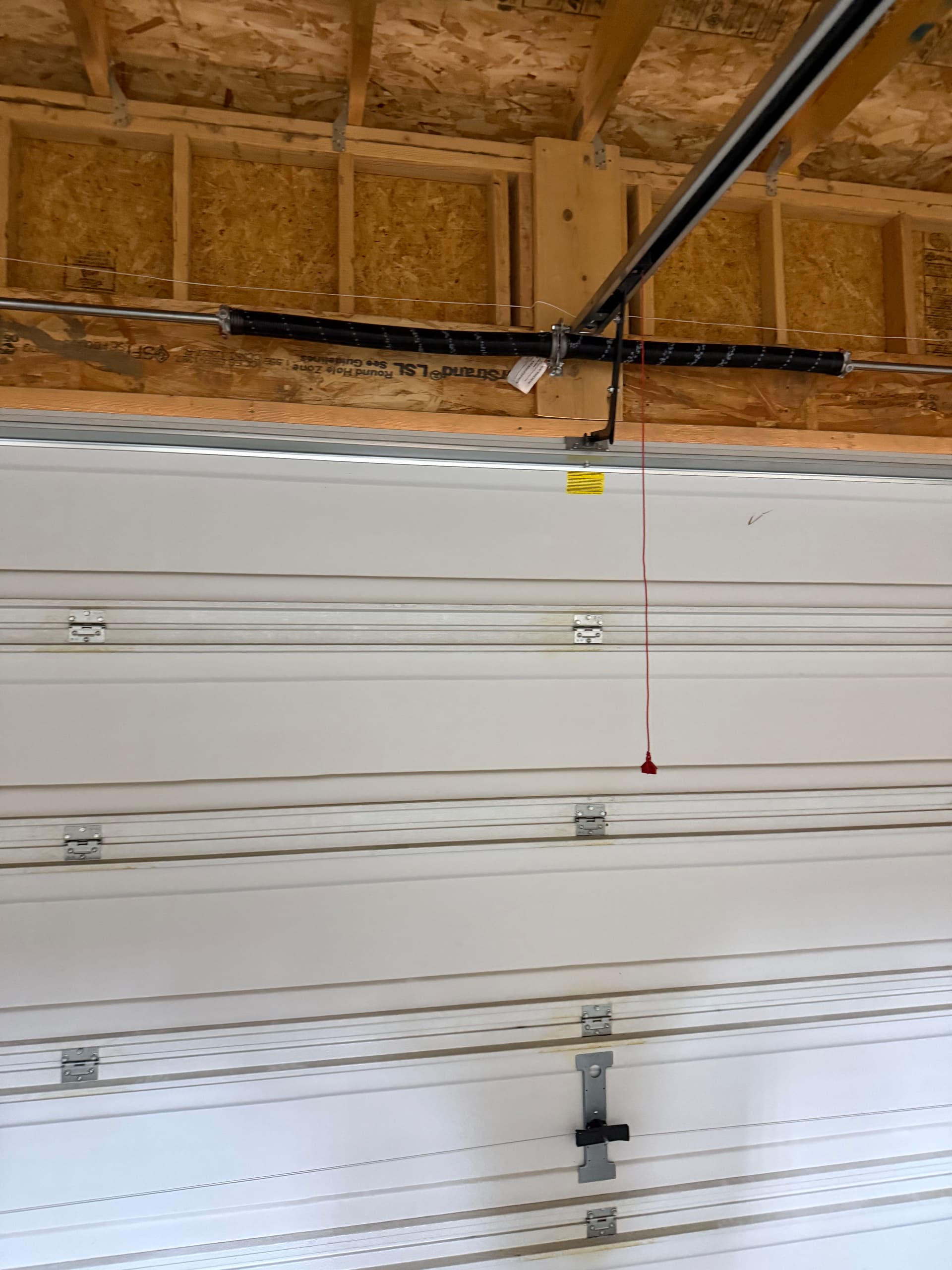
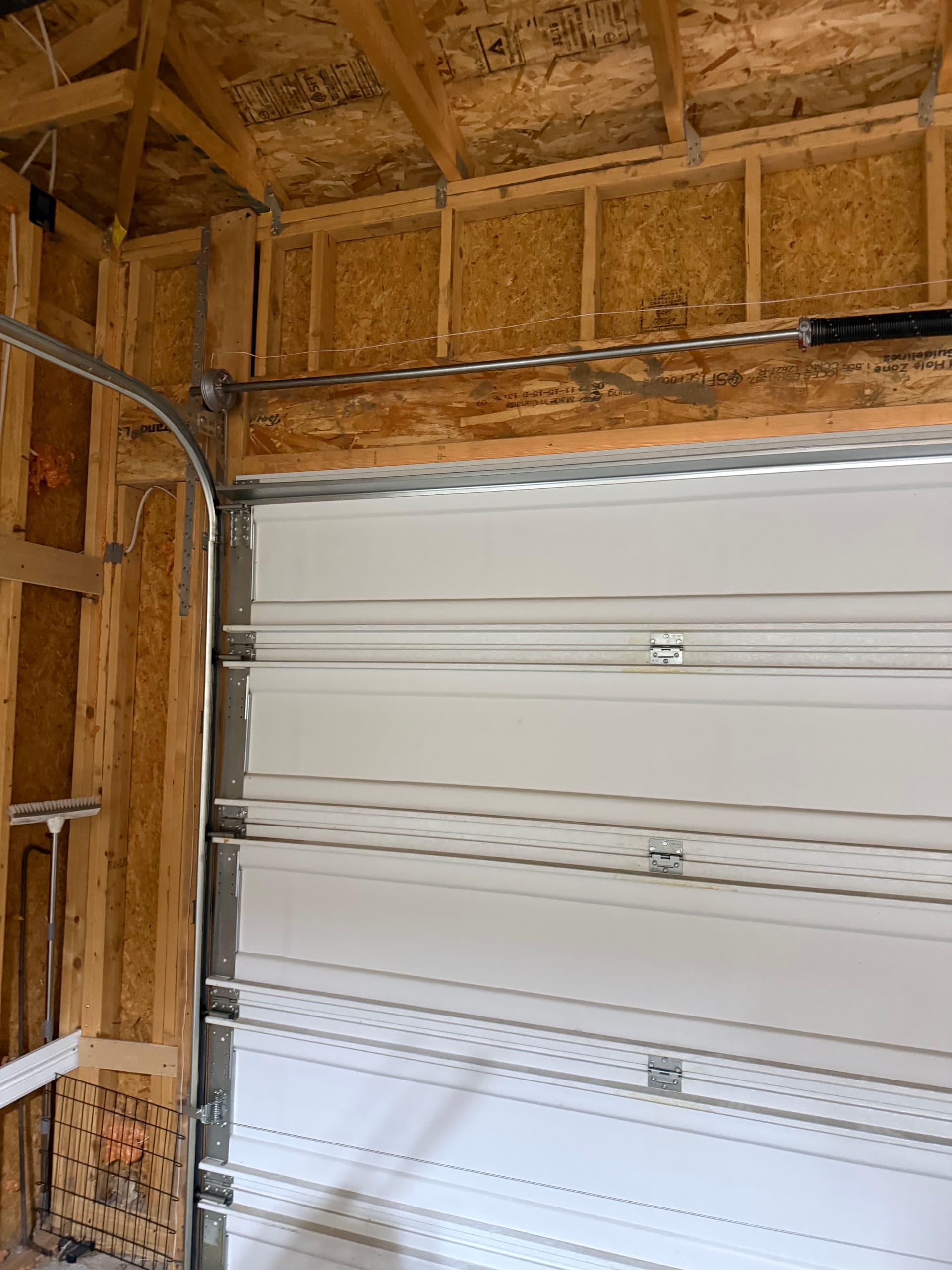
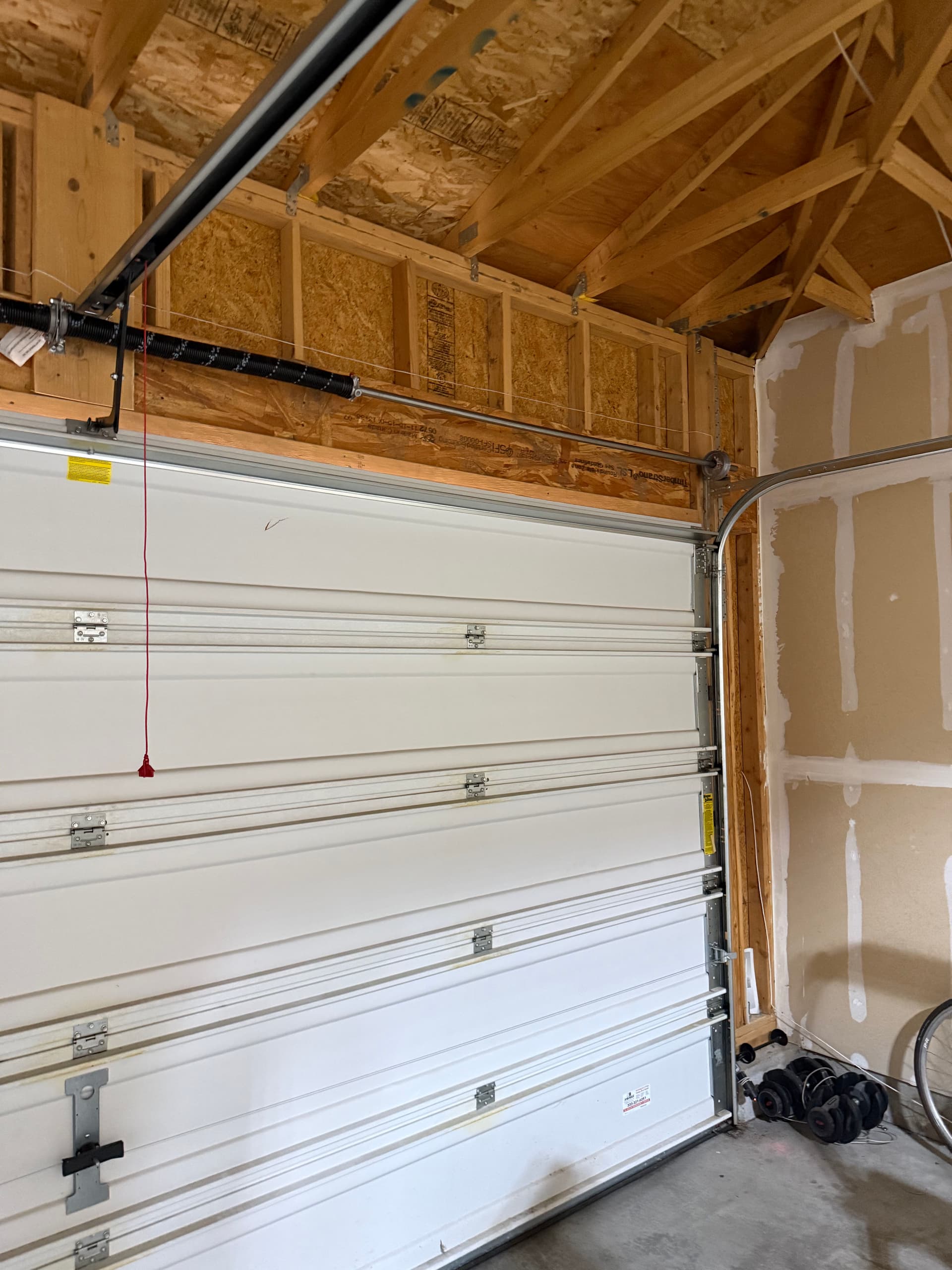
A customer called us because their door just wasn't working right. No obvious damage, nothing looked broken from the outside. That's actually one of the trickier situations we run into - when the problem is hidden inside the tube. In this case, the spring had broken but was concealed, so the customer had no idea what was actually wrong.
Here's the thing about enclosed or tube-style springs - they fail just like any other spring, but you can't see it happening. The door just stops working or starts feeling really heavy. A lot of homeowners assume it's the opener or the tracks, but more often than not, the spring is the culprit. Diagnosing it correctly the first time matters.
We upgraded the setup to a standard torsion spring system. Torsion springs mount horizontally above the door and do a much better job of distributing tension evenly across the full width of the door. They're also easier to inspect and service down the road, which saves headaches later. The new spring sits right above the door opening where we - and the homeowner - can actually see it.
Once the new torsion spring was properly tensioned and set, the door moved the way it should. Smooth, balanced, no strain. That's the difference the right spring system makes. It's not just about fixing what's broken - it's about making sure the repair holds up and the whole system works together correctly.
If your garage door is struggling to open, feels heavier than usual, or just stopped working without any clear reason, don't assume it's the opener. The spring is worth checking first. We do this kind of repair regularly and can usually identify the issue fast, even when the problem isn't immediately visible.